SR&ED by Industry
SR&ED by industry: does your work qualify?
For Canadian companies that build things: software, machines, electrical and engineering work. The CRA's test is the same for all of them. What changes: the records you keep, the cost rules, and who gets to claim.
By Harminder Singh · Updated October 19, 2026
SR&ED by industry: is the test different?
No. The CRA uses one two-part test for every claim. First, was there uncertainty that existing knowledge could not resolve? Second, did you work through it by a systematic investigation, by experiment or analysis? Work that failed can still qualify.
So the label on your company doesn't decide it. The work does. Three things do change from one industry to the next:
The records
Software teams already have them in commits and tickets. On a shop floor they're trial-run sheets, scrap logs and a split of time between SR&ED and normal work, written when the work happens.
The cost rules
A software claim is mostly salaries. A manufacturing claim adds materials, prototypes, trial runs on a live line and equipment, each with its own rule. If you sell a prototype, you may have to repay part of the credit.
Who gets to claim
If a client pays for the development, the contract decides whether the claim belongs to you or to them. This matters most for engineering firms and parts suppliers.
Who we work with
The examples are our read of how the CRA's test usually applies. Every claim still turns on the facts of the project.
Software
SaaS products, platforms, infrastructure and deep tech.
A performance, scale or accuracy problem where the known methods didn't work, so your team tried designs and measured them. The records are already in your commits, tickets and design docs.
Software development was 42.6% of the SR&ED credits the CRA allowed in fiscal 2025-26. Source: CRA program statistics.
Manufacturing
Companies that design and build physical products, machines or processes.
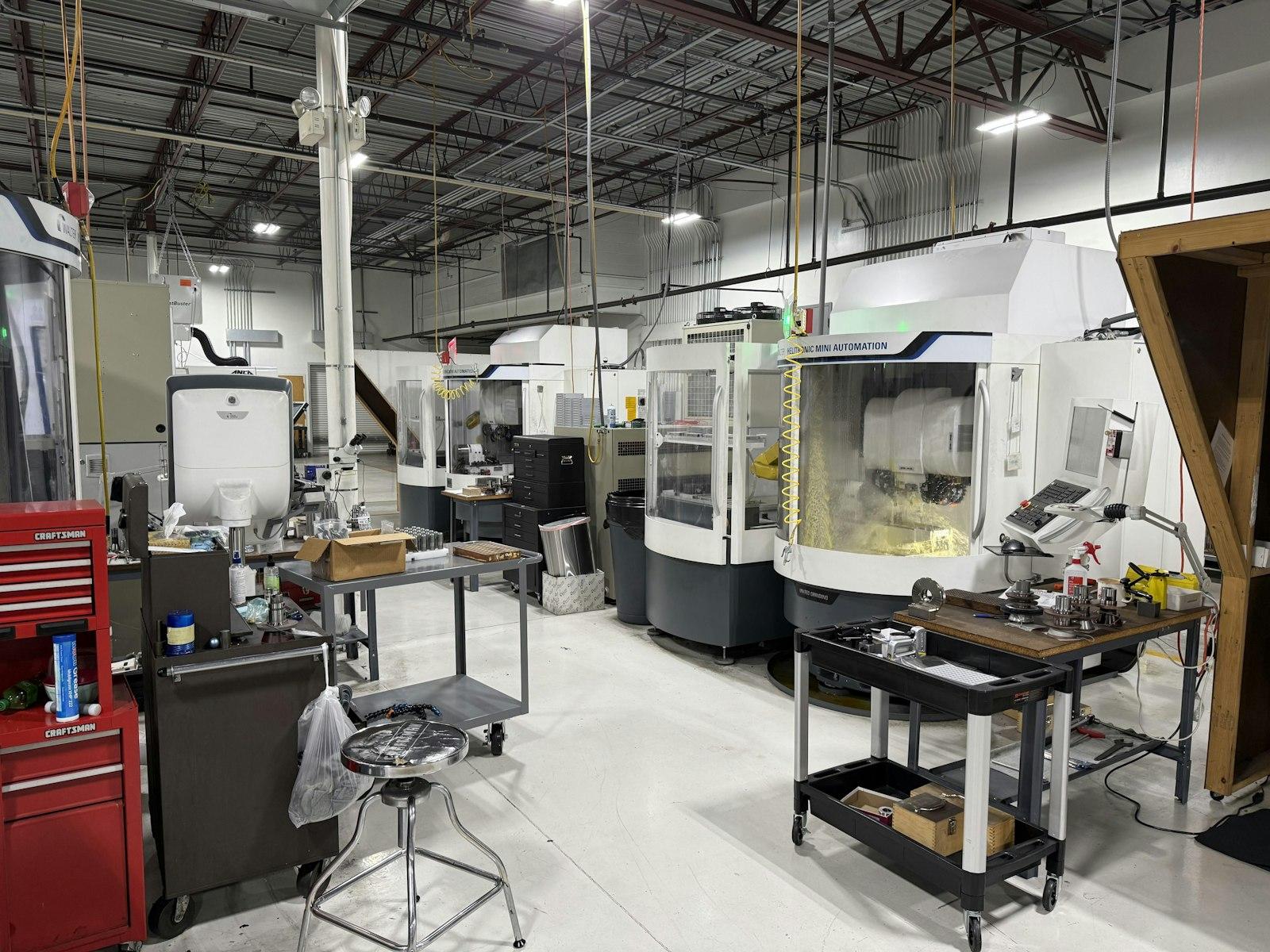
Prototypes, test parts and trial runs where you could not predict the result. On top of salaries, the claim can include materials and contracts, which come with their own rules.
In tax year 2021, 5,260 manufacturers claimed SR&ED, on $4.484 billion of qualified spending. Source: CRA T2 SR&ED statistics, table 2A.
Machinery, automation and tooling
Machine builders, robotics and automation integrators, industrial equipment makers, and tool, die and fixture shops.
A new mechanism that has to hit a speed or tolerance nobody could promise, a robot cell that known setups couldn't make work, or a mould where fill and warpage had to be found by trial.
Canadian machinery makers spent $1.29 billion on in-house R&D in 2024 and plan $1.68 billion for 2026. Mechanical engineering was 13.5% of SR&ED credits allowed in fiscal 2025-26. Source: Statistics Canada 27-10-0333-01; CRA program statistics.
Electrical: controls, drives and power
Controls, motor drives, power systems and panels.
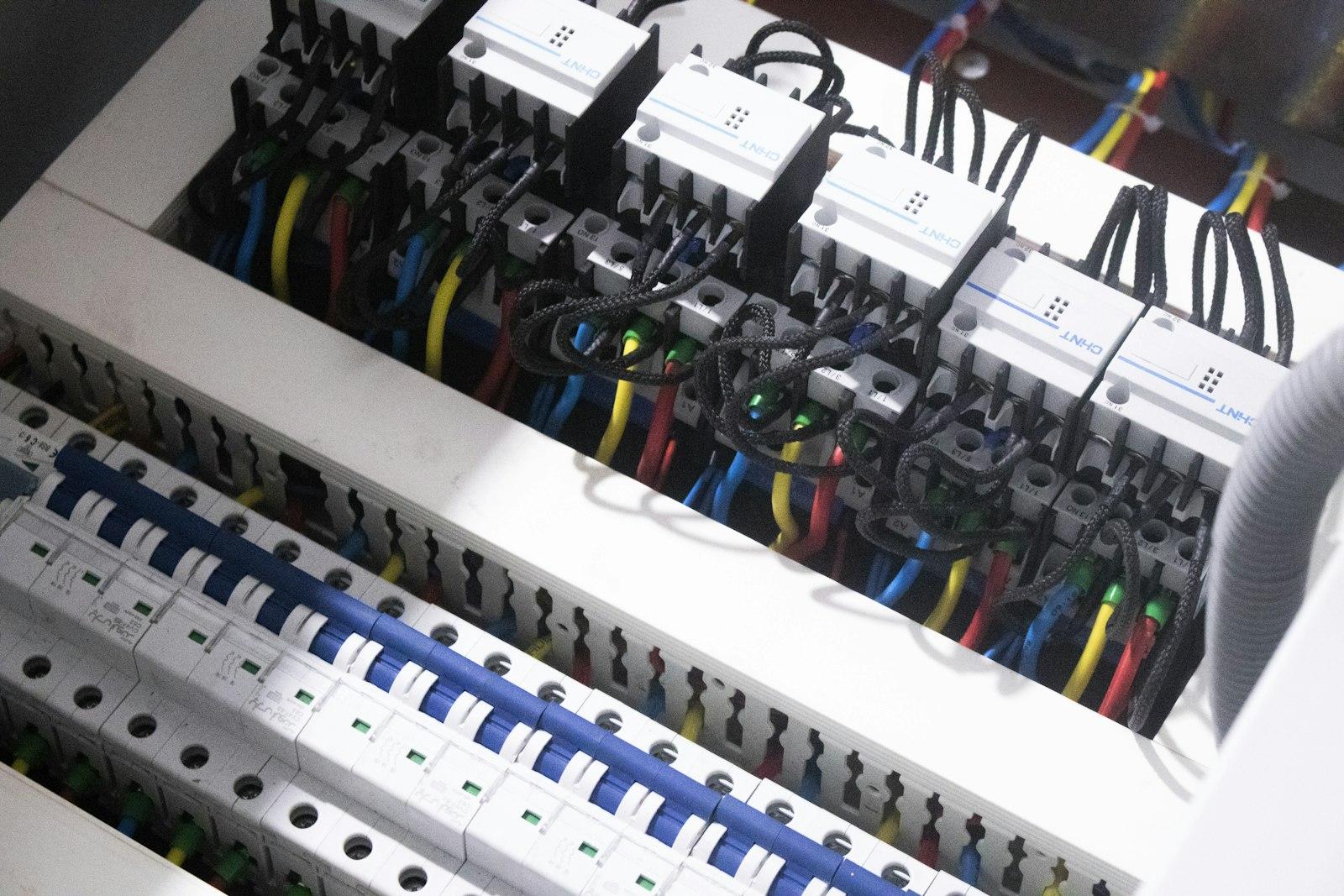
Control logic or a power design where you could not predict stability, heat or noise and had to test to find out. Panels built to a standard design and to code usually don't qualify.
Electrical equipment makers spent $519 million on in-house R&D in 2024. Electrical engineering was 12.5% of SR&ED credits allowed in fiscal 2025-26. Source: Statistics Canada 27-10-0333-01; CRA program statistics.
Engineering and R&D services firms
Firms that design, test and develop for clients: consulting engineers, product design houses and test labs.
The same test applies, but the first question is who gets to claim. When a client pays you for the work, the CRA looks at the contract's substance, not its label: whether you had to do specific SR&ED, whether a fixed or ceiling price put the cost risk on you, who owns the IP, and whether it's a service or a sale of goods. No single factor decides whether the claim is yours or your client's.
Professional, scientific and technical firms were 7,240 of the 18,880 SR&ED claimants in tax year 2021. Engineering services firms spent $1.26 billion on in-house R&D in 2024. Source: CRA T2 SR&ED statistics, table 2A; Statistics Canada 27-10-0333-01.
Auto and aerospace suppliers
Tier-2 and tier-3 parts makers, and the tooling and fixture shops that serve them.
A new part or process where you could not predict whether it would meet the spec, and tooling you had to prove by trial. Work your customer pays for falls under the contract rules, as with engineering firms.
Transportation equipment makers spent $2.08 billion on in-house R&D in 2024, including $948 million in aerospace and $743 million in auto. Source: Statistics Canada 27-10-0333-01.
Process manufacturing: chemicals, plastics, food
Formulation, compounding and food production.
This work can qualify, for example a new formulation or process where the result could not be predicted. We don't have a page for it because these claims need a chemist or food scientist to review them. Book a call and we'll tell you plainly whether we're the right fit.
Chemical makers spent $827 million on in-house R&D in 2024, more than half of it ($468 million) in pharma, which we don't take on. Food makers spent $212 million. Source: Statistics Canada 27-10-0333-01.
About the numbers: the Statistics Canada figures are all in-house business R&D, not SR&ED claims, and the 2026 figure is what companies said they plan to spend. The CRA publishes claim counts only for broad sectors, so there is no official SR&ED count for, say, machinery makers alone.
Not a fit: life sciences and pharma are outside the work we take on.
Your industry isn't listed?
The test is the same, so your work may still qualify. The eligibility check takes a few minutes and asks what kind of company you are, so the answer fits your work.
How Glauq works in each industry
The CRA's test is the same in every industry. Where the record lives isn't. Glauq builds the claim from the records your team already keeps, and an engineer checks every project against the CRA's test before anything is filed.
Software
Where the record lives
Commits, pull requests, tickets and the benchmark that didn't work.
What Glauq does with it
Connects to GitHub, GitLab, Jira or Linear, captures the work as it happens, and asks the tech lead a few short questions a week in Slack or Teams.
See one example through to the claimManufacturing
Where the record lives
Trial sheets, drawings and their revisions, scrap tickets, job costing, and email with suppliers.
What Glauq does with it
Reads the project folders and email, pulls out the failed trials, redesigns and prototypes, and lists the materials each one used.
See one example through to the claimEngineering firms
Where the record lives
Client contracts, project codes, test results and design changes.
What Glauq does with it
Reads each contract against the CRA's four criteria, sorts projects by who can claim them, and builds the claim from the ones that are yours.
See one example through to the claim- Claims built from records dated when the work happened, not written from memory
- Every statement points back to the file it came from
- Filed with your T2, and CRA questions handled until the refund lands
Frequently asked questions
Does SR&ED eligibility depend on my industry?
No. The CRA applies the same two-part test to every claim: was there uncertainty that existing knowledge could not resolve, and did you work through it by a systematic investigation, by experiment or analysis? Your industry changes the records you keep and the cost rules that apply, not the test.
My industry isn't listed. Can I still claim SR&ED?
Yes, if the work meets the CRA's test. This page lists the industries we know best. If yours isn't here, run the eligibility check or contact us, and we'll tell you whether your work fits and whether we're the right people to prepare the claim.
Why is process manufacturing a call and not a page?
An engineer reviews every claim we prepare, and chemistry and food science claims need a reviewer from those fields. Rather than publish a page for work we can't fully stand behind yet, we'd rather talk first and tell you plainly if another firm is a better fit.
Do engineering firms claim SR&ED on work done for clients?
Sometimes. When a client pays for the work, the CRA looks at the substance of the contract, not its label: whether you had to do specific SR&ED, whether a fixed or ceiling price put the cost risk on you, who owns the resulting IP, and whether it's a service or a sale of goods. No single factor decides it. Together they decide whether the claim is yours or your client's.
New to SR&ED? Start with the SR&ED guide for 2026.